 How-to
How to Size Solar for a Cabin: Step-by-Step Guide
Table of Contents
Calculate Your Cabin's Daily Energy Use
Last Updated: November 4, 2026
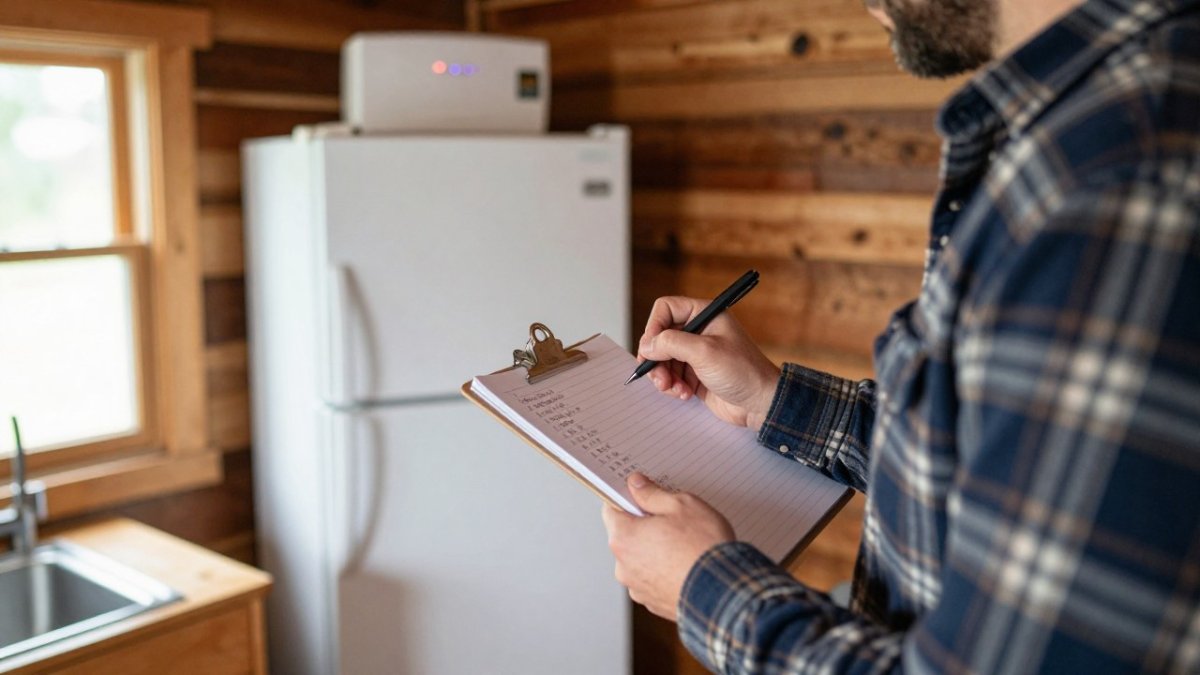
Sizing solar for a cabin starts with one number: how much energy you use each day when you plan a properly sized solar cabin. Get that number wrong and every later step is off. Start every off-grid project by listing each device and how long it runs. A worked sizing example in one dealer's cabin guide uses a daily load of 4.4 kWh, which is 4,400 watt-hours.
Here's the basic formula. Multiply each appliance's wattage by its hours of use per day, then add the results together. The total is your daily energy need in watt-hours (Wh) or kilowatt-hours (kWh). Watts measure power. Watt-hours measure energy over time. Solar panels and batteries are rated in energy terms, so you need watt-hours to size them.
Why not just guess? Many cabin owners estimate low and end up with a system that runs out of power by mid-afternoon. A rough guess can also run high, which leads to buying more panels and batteries than you need. Counting every load gives you a number you can defend.
Inventory Appliances and Their Wattage
Walk through the cabin and list every device that uses electricity. Include the obvious items and the ones people forget, like chargers, routers, and standby electronics.
Check each label or manual for the wattage. If only amps and volts are listed, multiply them: 120 V × 2 A = 240 W. For a rough reference, one cabin estimate totaled 1,795 Wh per day across four loads:
- Refrigerator: about 640 Wh per day
- Freezer: about 575 Wh per day
- Water pump: about 370 Wh per day
- Mini washing machine: about 210 Wh per day
Your cabin will differ, so use these only as a sense of scale.
Watch out: Nameplate wattage is often higher than what a device draws in normal use. Compressor appliances like refrigerators cycle on and off, so their average use is lower than the label suggests. Use the energy rating or a plug-in power meter when you can.
Account for Hours of Use and Simultaneous Loads
Next, estimate how many hours each device runs per day. A lightbulb might run 4 hours. A refrigerator may run 8 to 12 hours, depending on temperature and usage. Multiply watts by hours for each item, then total them.
Also think about what runs at the same time. Simultaneous loads matter for the inverter, which you size later. A coffee maker and a microwave running together put far more demand on the system than either one alone.
Once you have your daily total, add a margin of about 20 percent so your size solar cabin system can handle future loads. When you're ready to match that load to a unit, you can browse Dc To Ac Power Inverters by capacity. Cabins often gain appliances over time, and batteries and panels lose some efficiency to heat, wiring, and conversion losses. That margin keeps the system from running short when you add a load next year.
Frequently Asked Questions
What size solar system do I need for a small cabin?
A small cabin's system size depends on its daily energy use in watt-hours, not on floor area. Add up each appliance's wattage multiplied by its hours of use per day to get a daily total. Divide that total by your location's peak sun hours to estimate solar panel wattage, then add extra capacity for system losses. Your own loads and sunlight will change the result, so treat any single estimate as a starting point.
How do I size a battery bank for an off-grid cabin?
Multiply your daily energy use in watt-hours by the number of days of backup you want, then divide by the battery's usable capacity. Usable capacity matters because lead-acid batteries are typically discharged only to about 50 percent, while LiFePO4 batteries allow deeper discharge. Your system voltage, such as 12V, 24V, or 48V, determines how the bank is wired. Check the battery datasheet for depth of discharge before finalizing the count.
How do I account for cloudy days when sizing cabin solar?
Cloudy days reduce solar production, so size the battery bank for autonomy rather than relying on panels alone. Choose how many days of reserve you need, often one to three days for a cabin with a backup generator, and size storage accordingly. In winter, peak sun hours drop, so a system sized for summer may underperform. Calculating with your worst-month sun hours gives a more reliable result.
Can I use a solar sizing calculator for an off-grid cabin?
Yes. An off-grid solar system sizing calculator or a solar sizing calculator Excel template can speed up the math for panels, batteries, and inverters. The inputs still come from you: an accurate appliance list, daily hours of use, and local peak sun hours. Calculators are only as accurate as those inputs, so verify the output against your own load estimate. For help checking results for your specific cabin, contact Victron Guy's technical support by phone, text, email, or in person.