 Comparison
Is Professional Solar Installation Worth the Cost?
Last Updated: October 28, 2026
Quick Summary
Professional solar installation is usually worth the cost for homeowners who want code-compliant work and a warranty they can enforce. It covers site assessment, system design, permitting, installation, and inspection, and each step carries risk. Weigh the full cost of DIY, including permits, insurance exposure, and lost warranty coverage, not just labor savings.
- Professional installation includes site assessment, system design, permitting, installation, and inspection.
- Labor is the largest hidden cost, and it pays for licensing, insurance, and warranties.
- Solar panels account for about 12% of total system cost, so labor and balance-of-system costs dominate.
- DIY shifts costs into permits, inspection risk, insurance exposure, and lost warranty coverage.
- Payback equals net installed cost divided by first-year bill savings, so installation quality affects production.
Table of Contents
- What Professional Solar Installation Actually Includes
- Professional Solar Installation Cost: What You Are Paying For
- DIY Solar Panel Installation vs Professional: A Side-by-Side Comparison
- How Installation Quality Affects Your Solar Panel Payback Period
- Solar Installation Warranty Coverage: Equipment, Labor, and Who Pays
- Permitting, Inspections, and Utility Interconnection
- Deciding Whether a Professional Installer Is Right for Your Home
- Frequently Asked Questions
What Professional Solar Installation Actually Includes
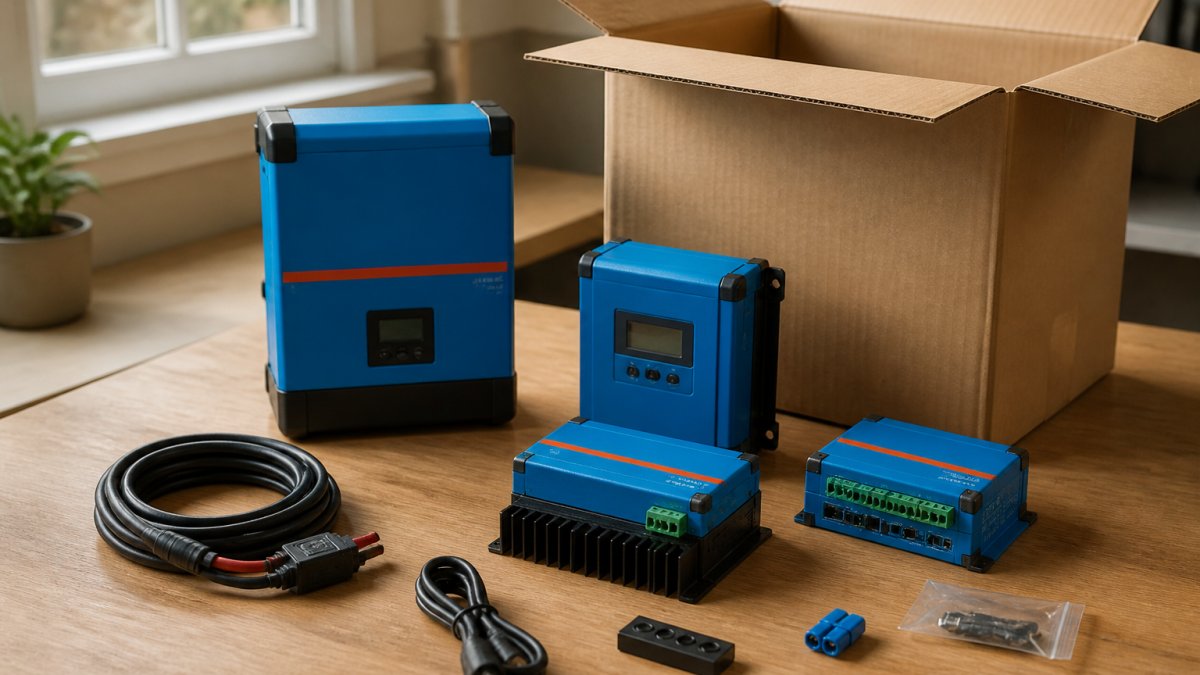
Professional solar installation is a full project, not just mounting panels on a roof. Each step carries its own risk, and skipping any one of them can cost you later. Victron Guy offers batteries, charge controllers, inverters, and monitoring systems for off-grid power needs.
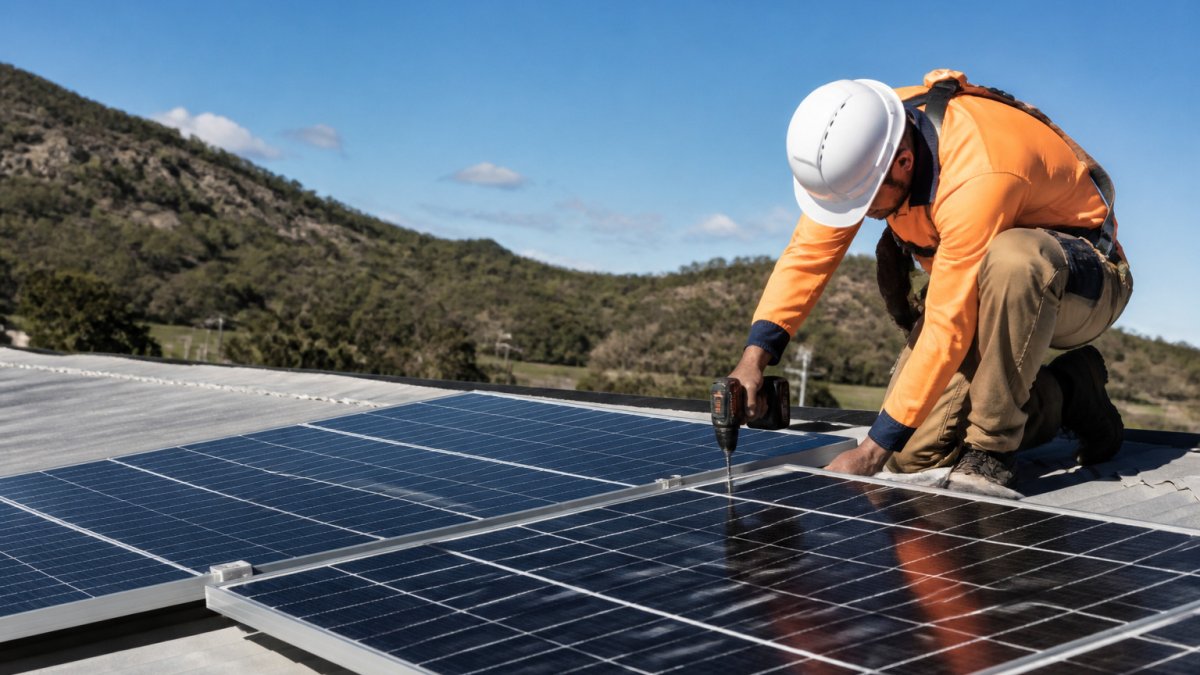
When you weigh professional installation against DIY, start by listing what the installer actually does. The work usually breaks down into these pieces:
- Site assessment: Roof structure, shading, orientation, and tilt
- System design: Panel count, inverter sizing, and wire gauge
- Permitting and paperwork: Building permits and electrical sign-offs
- Installation: Racking, panels, conduit, and wiring
- Inspection and interconnection: Local inspector sign-off and utility approval
Each stage has a point where a mistake is expensive. A roof that cannot bear the added load, or a wire run that is undersized, may not show a problem for years. Professional installers are accountable for those choices in a way a DIY builder is not.
Professional Solar Installation Cost: What You Are Paying For
Professional installation costs more than doing it yourself, and the difference pays for labor, licensing, insurance, warranties, and risk. Labor is the largest hidden cost.

Pricing depends on system size, roof complexity, local labor rates, and equipment choices. For current prices on Victron Energy components or a system quote, contact Victron Guy directly or visit victronguy.com. Pricing depends on quantity, delivery, and configuration, so a written quote for your specific setup is the only reliable number.
EnergySage reports that solar panels account for about 12% of the total cost of a solar system, which means labor, equipment, and the balance of system components make up most of the rest of the bill (Solar Panel Cost In 2026: It May Be Lower Than You Think). That split is why labor quality matters so much.
DIY Solar Panel Installation vs Professional: A Side-by-Side Comparison
Most "worth it" articles stop at "DIY saves money." That framing hides the real trade-off: DIY shifts cost from a labor line item into permits, equipment sourcing, inspection risk, insurance exposure, and lost warranty coverage. To compare fairly, hold the system size, equipment tier, and roof constant, then walk every cost line.
A like-for-like cost framework
Use the same assumptions on both sides so the comparison is honest:
- System size: pick one nameplate size (for example, 8 kW) and keep it fixed.
- Equipment tier: same panel model, same inverter class, same racking.
- Roof and site: same orientation, shading, and structural condition.
- Labor: professional crew vs. your own hours valued at your opportunity cost.
- Soft costs: permits, inspections, interconnection fees, engineering stamps, and disposal.
Where the money actually goes
| Cost line | Professional installer | DIY |
|---|---|---|
| Equipment (panels, inverter, racking, wiring) | Passed through at installer pricing | Retail or wholesale; you source and stage it |
| Labor | Crew wages, overhead, profit | Your time; no cash outlay unless you hire help |
| Permitting and engineering | Typically included | You file, pay fees, and may need a stamped plan |
| Inspection and interconnection | Scheduled and managed | You coordinate the inspector and utility |
| Insurance and liability | Carried by the contractor | Your homeowner policy; confirm coverage before starting |
| Workmanship warranty | Usually included | Typically none |
| Change orders and rework | Absorbed by contractor | Borne by you |
Subtract permit fees, any engineering stamp, rental of lifts or fall protection, disposal, and the value of your time, and the gap narrows.
The non-cash costs DIY buyers underestimate
- Permitting and inspection: Most jurisdictions require an electrical permit, a structural review for roof-mounted arrays, and a final inspection. A failed inspection means rework at your expense.
- Interconnection: Grid-tied systems usually need a separate utility agreement before they can export. Missing this step can delay permission to operate by weeks.
- Warranty loss: Equipment manufacturers may decline claims on self-installed systems, and there is no workmanship warranty to cover roof penetrations or wiring.
- Insurance: Call your carrier before you start. Some policies exclude owner-installed electrical work.
- Resale: Buyers and their inspectors ask for permits and sign-offs. Missing paperwork is a negotiating liability.
When each path makes sense
Professional installation fits homeowners who want code-compliant work, an enforceable workmanship warranty, and a faster timeline. DIY fits people with real electrical experience, time to manage permits and inspections, and a clear-eyed view of the risks.
If you are weighing component choices for an off-grid system, Victron Guy offers technical support to help with your setup.
How Installation Quality Affects Your Solar Panel Payback Period
Payback is the point where cumulative bill savings equal your net installed cost.
The payback formula, in plain terms
Payback (years) = Net installed cost ÷ First-year bill savings
Where:
- Net installed cost = gross price minus federal, state, and utility incentives.
- First-year bill savings = kilowatt-hours produced × your effective rate per kWh, adjusted for net metering or export compensation.
Small changes on either side move the answer. A higher effective rate shortens payback; a lower production estimate lengthens it.
A worked example you can adapt
These are illustrative figures, not a quote. Substitute your own utility rate, production estimate, and net cost.
A five-input decision framework
Run your own numbers with these inputs:
- Annual electricity use (kWh): Pull 12 months of bills. This caps how much you can offset.
- Effective rate ($/kWh): Divide a recent bill by kWh used. Include all volumetric charges.
- Production estimate (kWh/year): Use a reputable modeling tool or an installer's proposal; compare at least two.
- Net installed cost ($): Gross price minus federal, state, and utility incentives.
- Roof and site factors: Shading, orientation, tilt, and age. A roof nearing replacement should be addressed before panels go on.
How installation quality shows up in the numbers
- Shading and tilt errors cut production every sunny hour.
- Undersized wiring creates line losses that never appear on a quick visual inspection.
- Loose connections and poor terminations cause intermittent faults and, in the worst case, fire risk.
- Roof penetrations done poorly lead to leaks and repair costs that erode savings.
- Commissioning mistakes can leave a system producing below its design output for months before anyone notices.
Beyond the first-year number
Payback is a snapshot; total lifetime savings depend on degradation and how your utility compensates exports. If net metering is weak or absent, self-consumption, running appliances when the sun is up, or adding a battery, matters more than the headline payback figure.
Solar Installation Warranty Coverage: Equipment, Labor, and Who Pays
Victron Guy offers technical support for its Victron Energy power solutions.
Permitting, Inspections, and Utility Interconnection
Permits, inspections, and utility approval are considerations for solar projects. Requirements vary by location.
Check local requirements early, since the rules differ by location.
Will Solar Systems Work With Old Wiring? A 2026 Guide covers how existing electrical systems affect what inspectors and utilities will approve, which matters before you start any project.
Deciding Whether a Professional Installer Is Right for Your Home
A professional installer makes sense when you want code-compliant work, a warranty you can enforce, and a faster timeline. DIY makes sense when you have strong electrical skills, time to handle permits, and a clear understanding of the risks. Many homeowners land somewhere in between, buying equipment and hiring an electrician for the final connections.
Start by getting two or three written quotes, then compare workmanship warranties, not just price. Ask each installer how they handle permits and whether they carry liability insurance. If you are an off-grid or RV builder, Victron Guy offers technical support for power system setups.
Frequently Asked Questions
Is getting solar panels worth it?
For many homeowners, yes, but the answer depends on electricity rates, sun exposure, roof condition, and how long you plan to stay in the home. Get a written production estimate and a payback calculation based on your own utility bills before deciding. Confirm current rules with a tax professional.
Is it cheaper to install solar panels yourself?
DIY installation can lower upfront cost. Compare the full cost of each option, including permits, tools, and the value of any warranty you would give up.
How long does it take for solar panels to pay for themselves?
The payback period depends on system price after incentives, your electricity rate, and how much of your usage the system offsets. Ask for a break-even calculation that shows the assumptions behind it, including utility rate changes and panel degradation over time.
What is the lifespan of solar panels?
Most solar panels are designed to operate for decades, and manufacturers typically offer long product warranties. Actual performance depends on installation quality, mounting, roof condition, and maintenance. A professional installer can document the equipment warranty and the workmanship warranty separately, which helps you know who to call if something fails.
Ready to plan your system? Contact Victron Guy for expert guidance on batteries, inverters, charge controllers, and monitoring, and get a quote built for your setup.